Dive Centre
Scuba diving in Madagascar, right from the lodge
From first-time divers and snorkellers to experienced underwater photographers, Sakatia Lodge offers direct access to some of the most rewarding diving in the Nosy Be region. With reef, macro, muck, night, FLUO and photography diving just a short boat ride from the lodge, every dive is planned around the tides, conditions and interests of the group.
No transfers, no fixed schedules, just more time in the water exploring the reefs, marine life and hidden underwater world that make Sakatia so special, both by day and after dark.
Dive Centre
On-site, fully equipped and part of lodge life
The Sakatia Lodge Dive Centre has been operating for over 20 years and is fully integrated into the lodge. Just a few steps from the beach and the bar area, everything is conveniently located in one place, making it easy to move from breakfast to diving without the need for transfers or lengthy preparations.
We have two dedicated dive boats, a fully equipped on-site training facility and fast boat access to the dive sites around Sakatia and the wider Nosy Be area. With several sites just minutes away by boat and many more within easy reach, we adapt each day’s diving to the tides, conditions and interests of the group.
The dive centre is SSI and NAUI affiliated, offering guided diving for certified divers and training from beginner through to advanced levels through our on-site training facility. We are also affiliated with DAN Southern Africa, and Sakatia Lodge actively supports the local hyperbaric chamber in Nosy Be. Whether you are taking your first breaths underwater, refreshing existing skills or continuing your diving education, our team can help you progress at your own pace.
Full scuba equipment is available for hire, including dive computers and torches. Snorkelling equipment is provided free of charge for lodge guests. Nitrox fills are available on request for an additional charge.



Beginners
First dive or first snorkel, start here
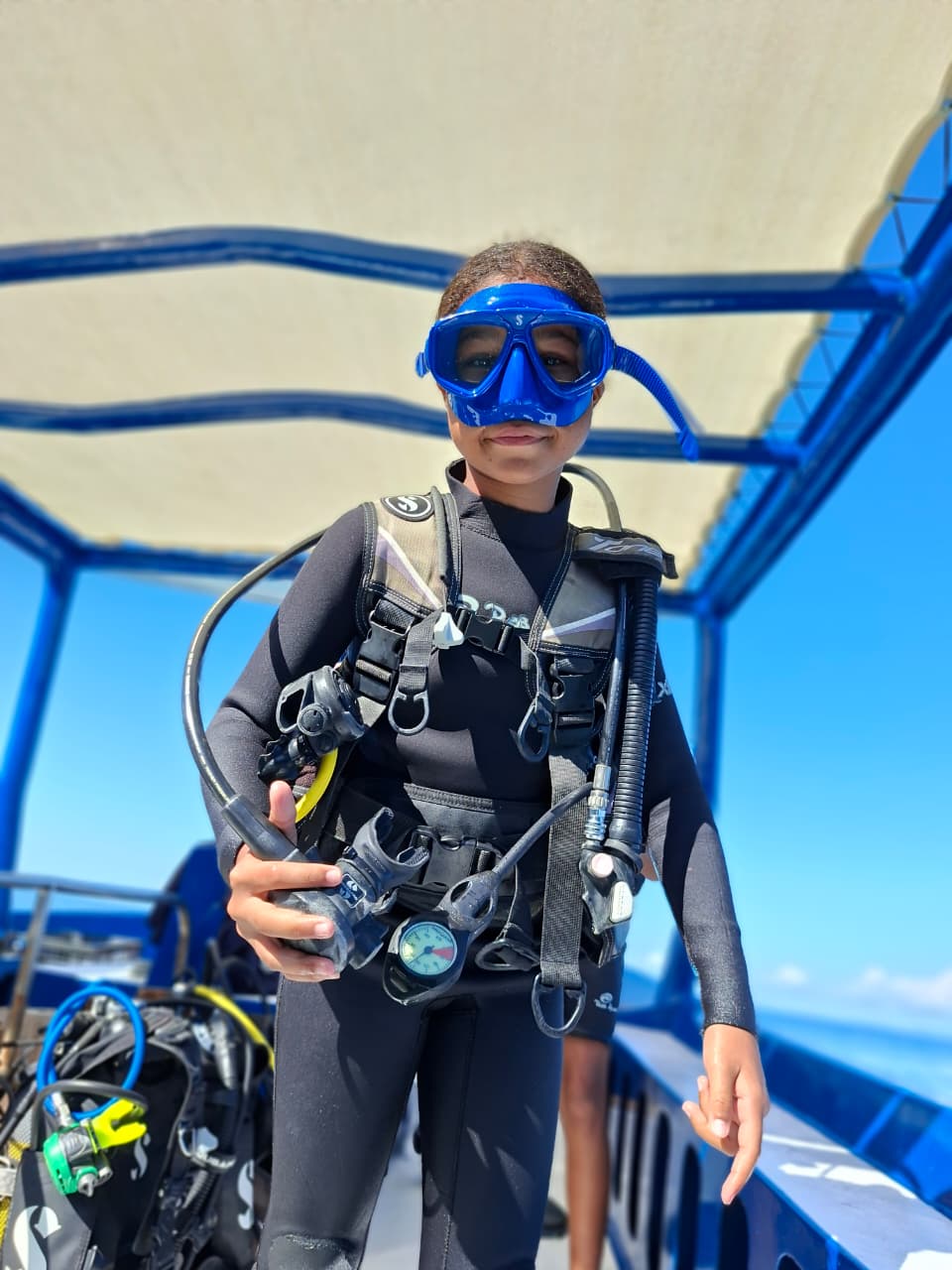
If you are new to the underwater world, Sakatia Lodge is an ideal place to begin. We cater for both first-time snorkellers and first-time divers, with calm, sheltered areas close to the lodge and a team that will guide you every step of the way.
For first-time snorkellers, we offer a relaxed introduction to snorkelling on the house reef. One of our team members will guide you step by step through the basic techniques, helping you build confidence while discovering the surrounding reefs
A Discover Scuba Diving session is a relaxed introduction to diving, with no certification needed. After a full briefing on land, your instructor will guide you as you build confidence in calm, shallow water before continuing the experience underwater.
La Piscine, or The Pool, is a sheltered area of shallow reef at the foot of the Sacred Mountain, perfectly suited to a first dive. After practising a few basic scuba skills on a sandy patch, the experience continues onto the surrounding reef, where coral gardens, reef fish and other marine life await. Turtles are regularly seen in the area, adding a little extra magic to many first dives and snorkelling experiences.
Our Discover Scuba Diving programme is a genuine diving experience. You'll spend up to a full hour underwater, guided every step of the way. Your only job is to blow bubbles, enjoy the moment and take unforgettable memories back to the surface.
Reef Diving
Discover the reefs of Sakatia
The reefs around Nosy Sakatia and the wider Nosy Be area offer a diverse range of diving throughout the year. Most sites are made up of coral-covered reef mounds, pinnacles and rock formations, with depths generally ranging from 15 to 25 metres and a few deeper sites for experienced divers. We plan our diving around the tides, sea conditions and the interests of the group, with most dives taking place in the calmer morning conditions.
One of the advantages of diving around Sakatia is the variety of sites available. With a large selection of dive sites, we are often able to adapt our plans to avoid busy reefs and make the most of the day's conditions. Many dives take place with no other groups in sight, creating the feeling of having a small corner of the ocean entirely to yourself.
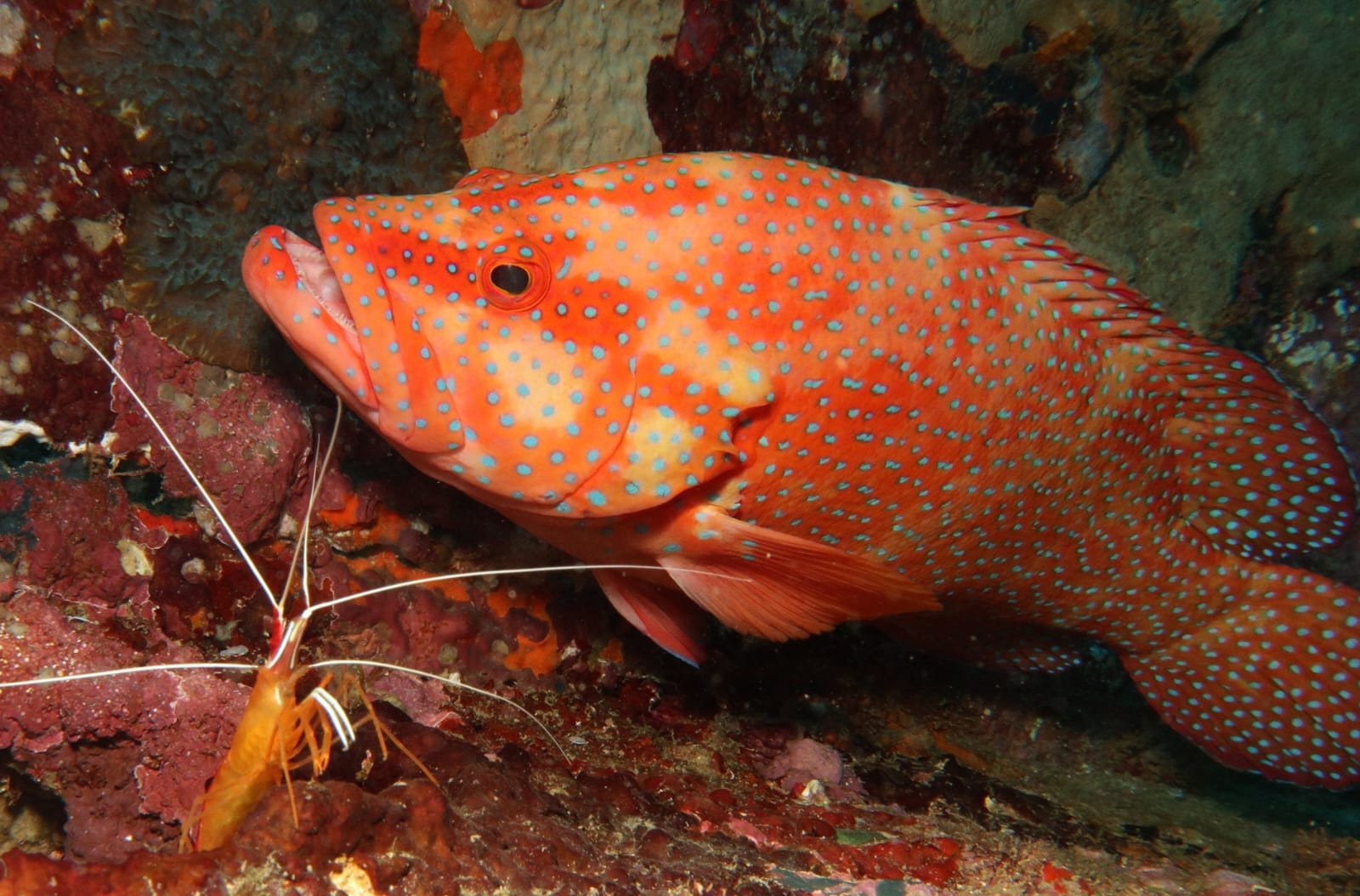
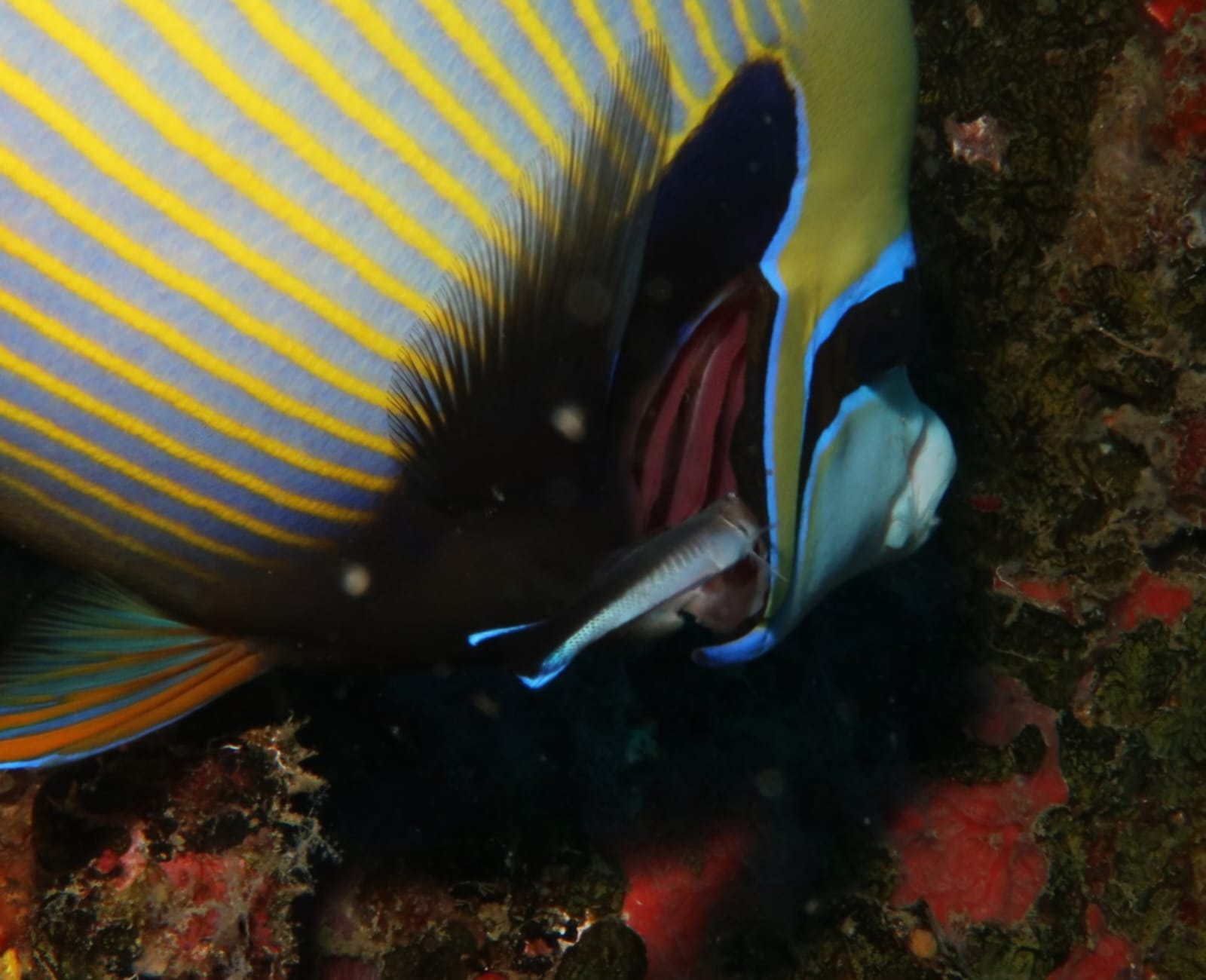
Healthy hard and soft corals support a wide variety of marine life. Green turtles and hawksbill turtles are regularly encountered, alongside schooling reef fish, blue-spotted stingrays, frogfish, ghost pipefish, nudibranchs and many other tropical species. Seasonal highlights include humpback whales from late August to October and whale sharks from October through to November.
Water temperatures range from approximately 27°C (81°F) in winter to 30°C (86°F) in summer, with visibility typically between 15 and 25 metres, occasionally exceeding 40 metres in ideal conditions. The area is particularly rewarding for divers who enjoy marine life observation and underwater photography, with several specialised diving experiences available for those looking to explore even further.



Night Diving
Dive into the night
Night diving is one of Sakatia's specialties. Thanks to the sheltered conditions around the island and the proximity of several excellent dive sites, it is an experience we are able to offer throughout most of our operating season. The reefs are located less than five minutes from the lodge, allowing us to enjoy a relaxed boat ride as the sun sets before entering a completely different underwater world.
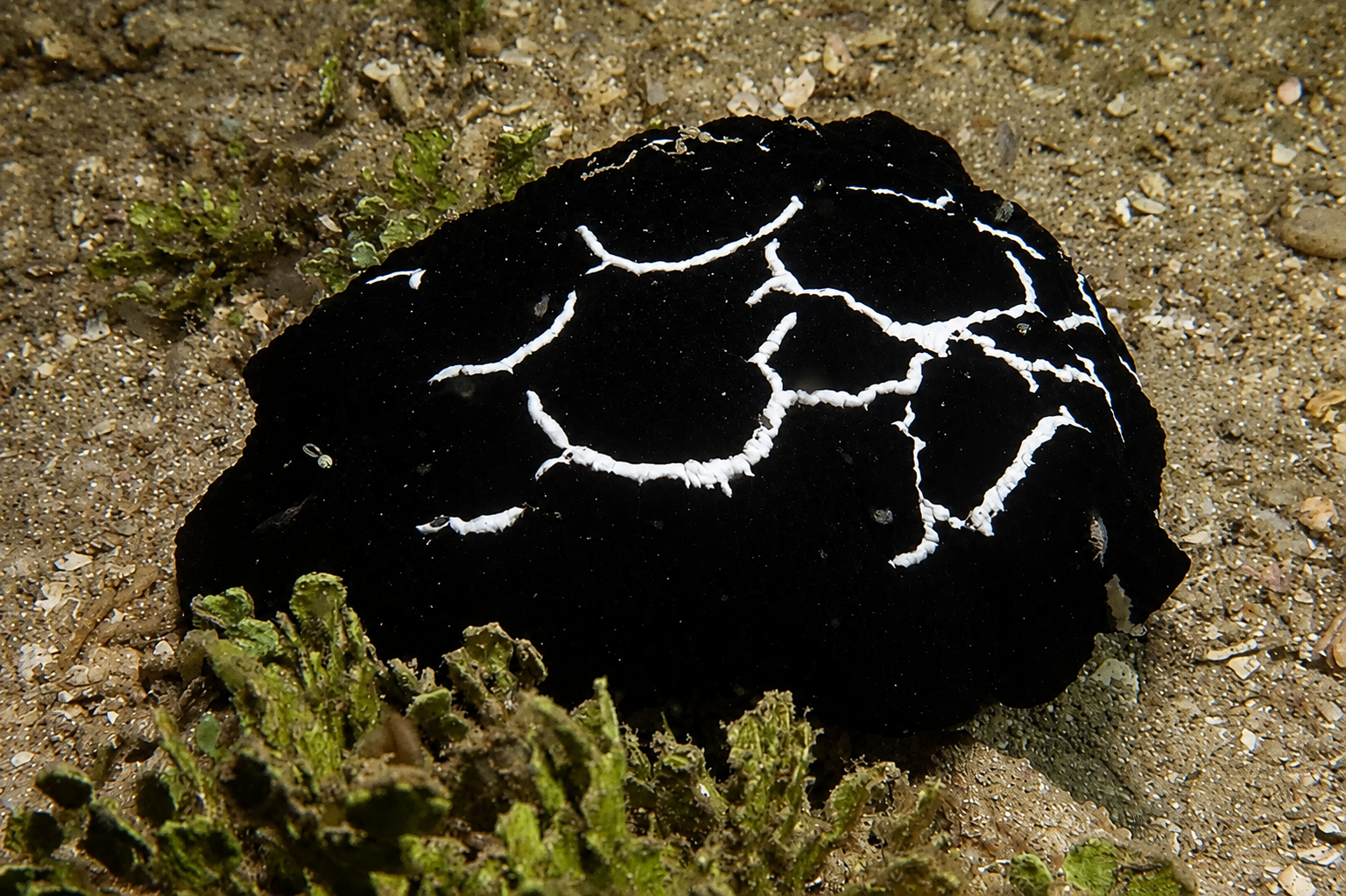
As darkness falls, the reef transforms. While daytime species settle into the corals for the night, a fascinating world of nocturnal creatures emerges, including resting turtles, octopus, squid, slipper lobsters, sea hares, side-gilled sea slugs, and nudibranchs. Coral polyps extend to feed under the dark waters, and delicate macro subjects such as skeleton shrimps and marble shrimps become easier to observe.
The calm conditions, shallow reef profiles and abundance of marine life make these dives particularly rewarding for underwater photographers. On dark nights, especially around the new moon, bioluminescent plankton often creates a natural light show beneath the surface.
For Open Water divers who have not yet experienced diving after dark, our dive centre offers a Night Diving Specialty course, allowing you to discover this side of the reef with proper guidance and preparation.
After the dive, guests are welcomed back with a complimentary cocktail, the perfect opportunity to share sightings and photographs before heading to dinner.
Specialised Diving
Macro Diving & Underwater Photography
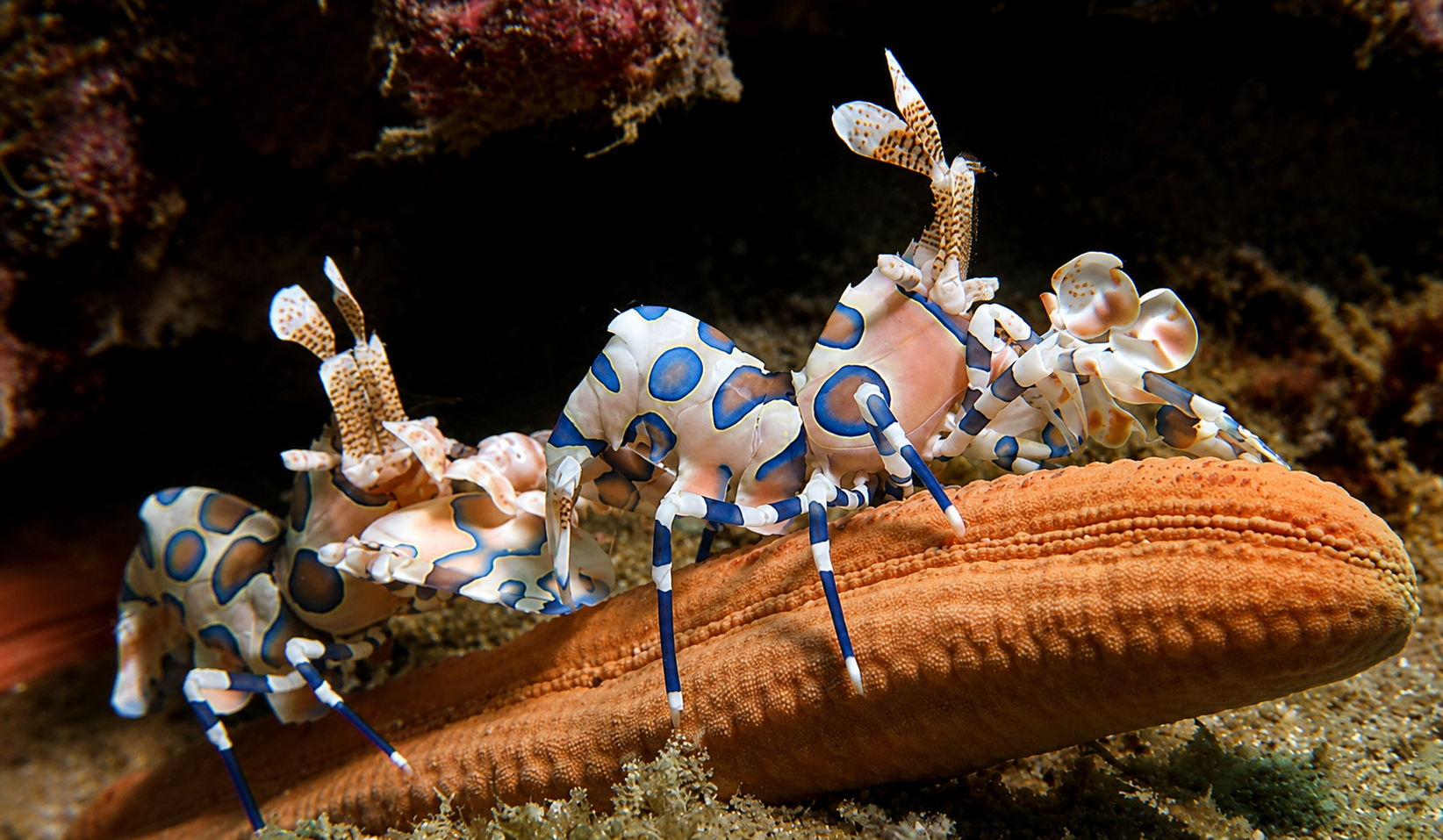
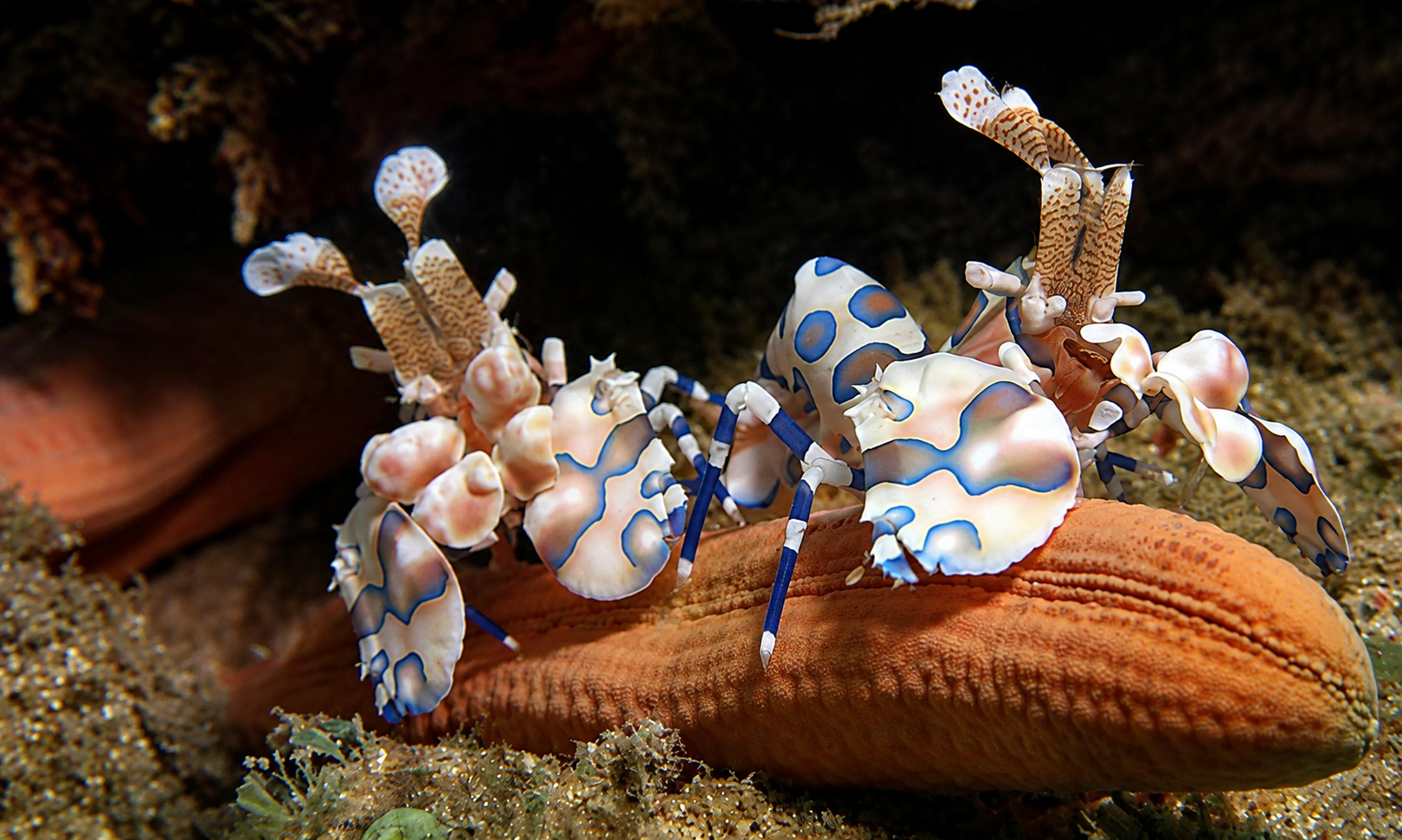
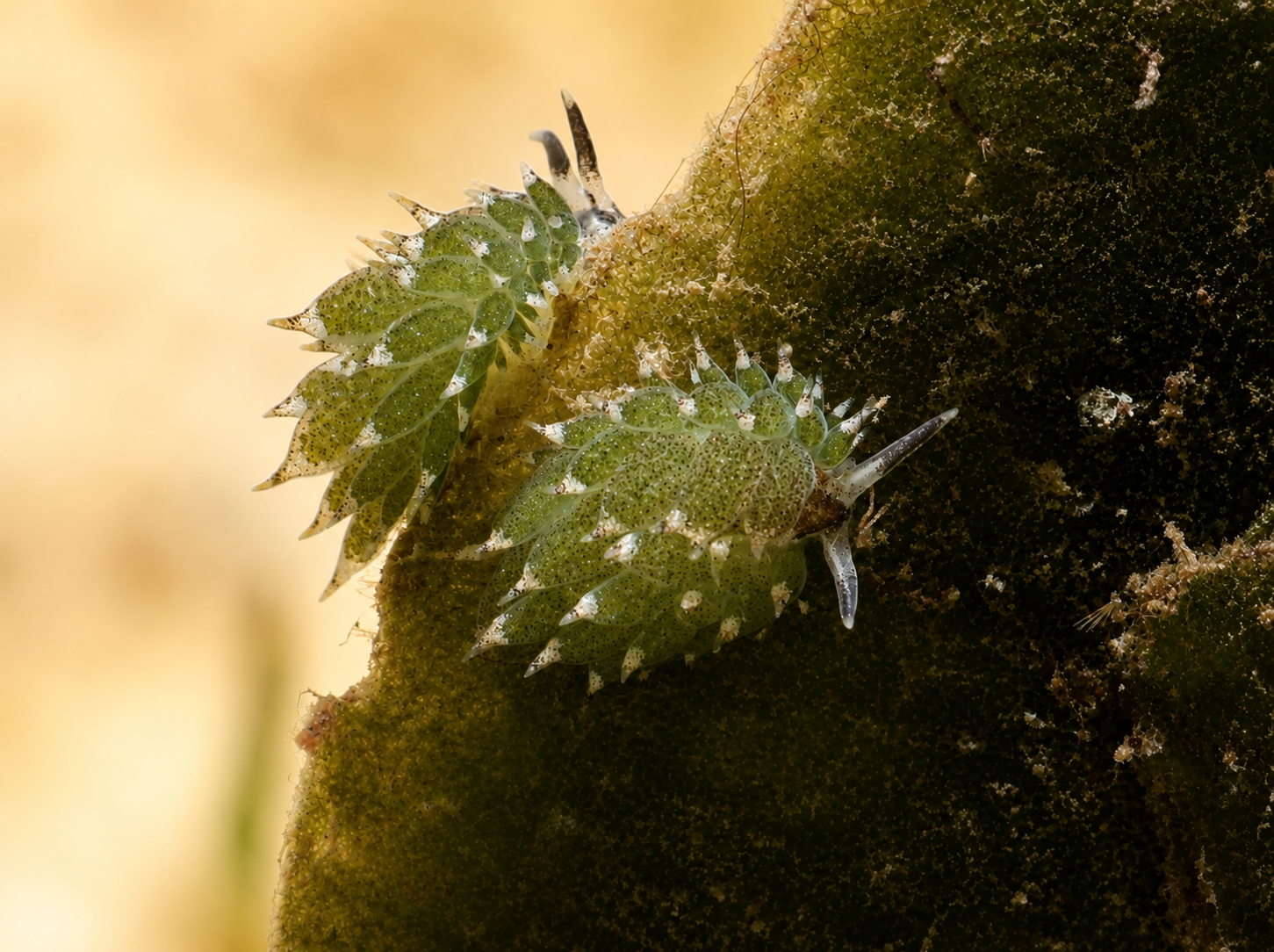
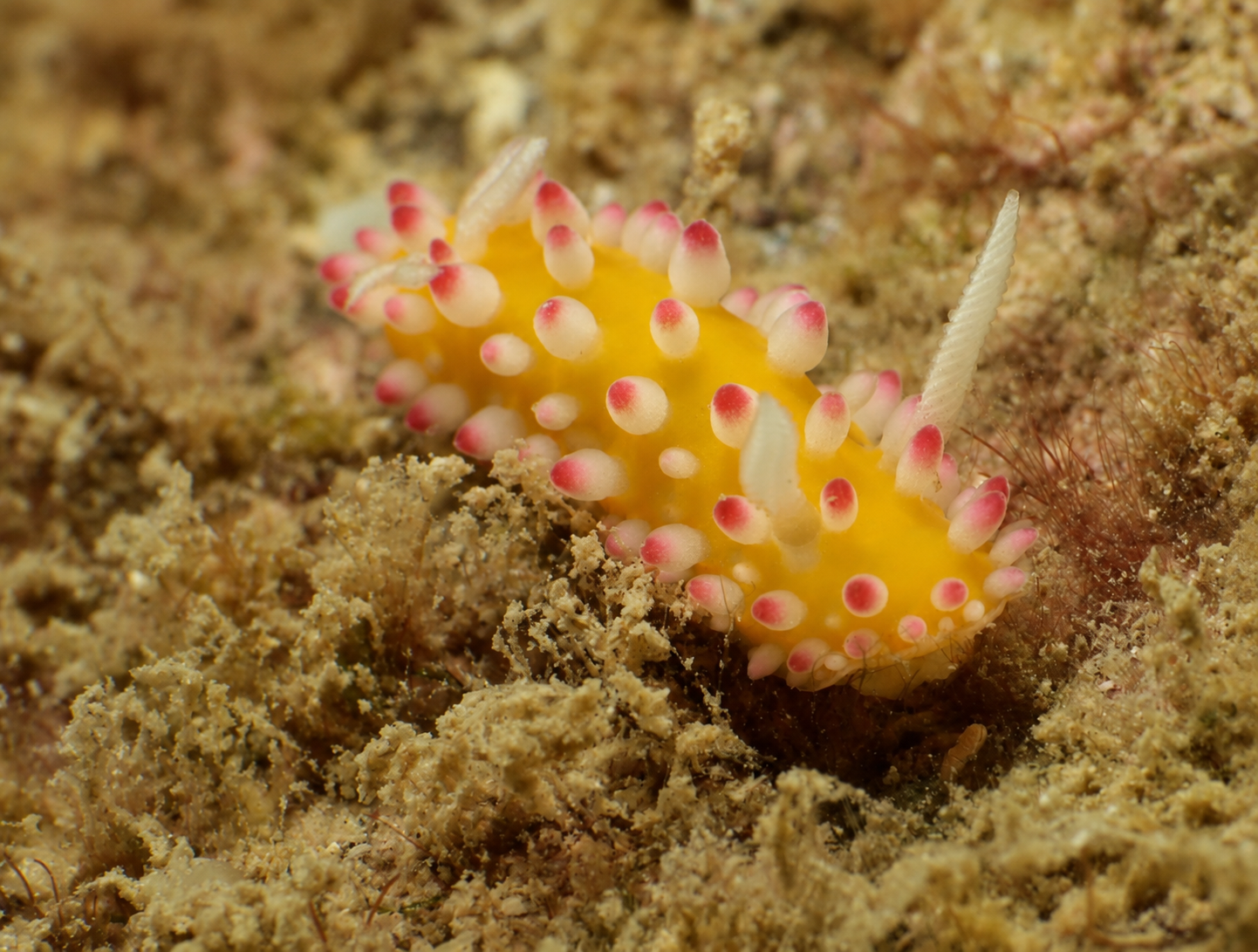
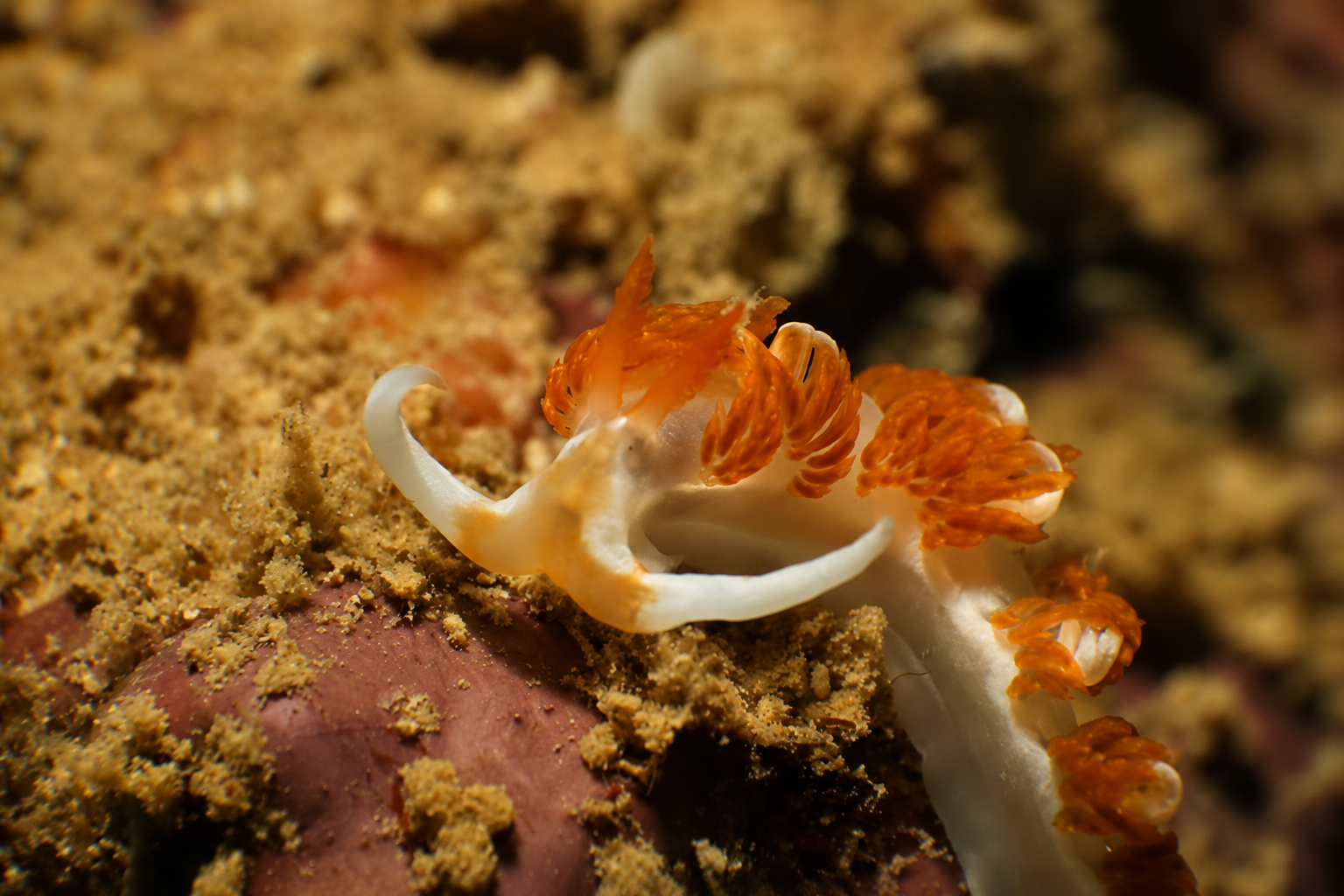
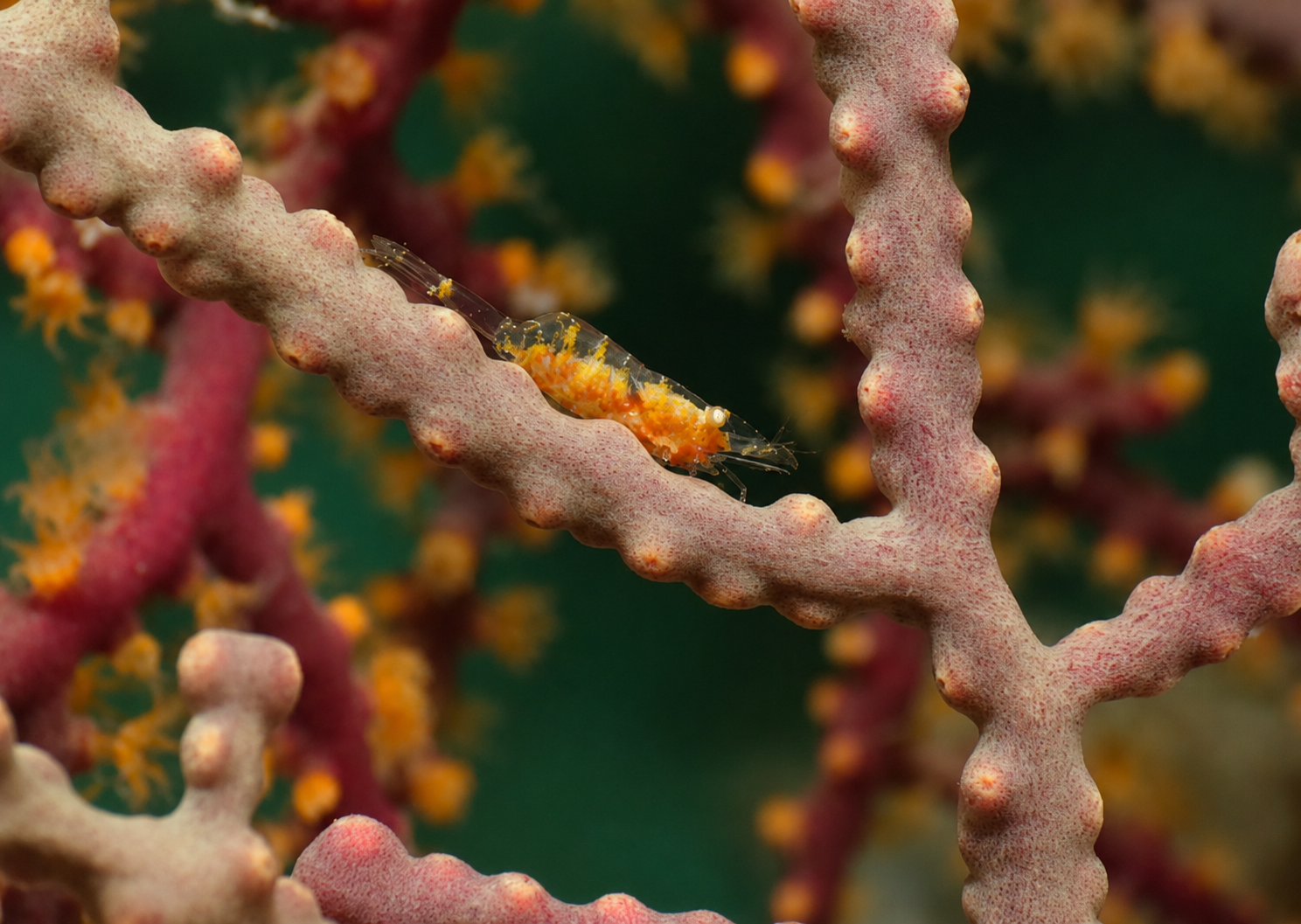
The reefs around Sakatia do not reveal everything at first glance. The more carefully you look, the more you find. Hidden amongst coral, sponges, rubble and seagrass is an astonishing variety of marine life, making the area particularly rewarding for macro divers and underwater photographers. Many of the fascinating critters that have made Indo-Pacific macro diving famous can also be found here, often with Madagascan variations and local species differences that make each discovery even more interesting. The shallow dive sites, long bottom times and generally surge-free conditions provide excellent opportunities for underwater photography and careful observation of even the smallest subjects.
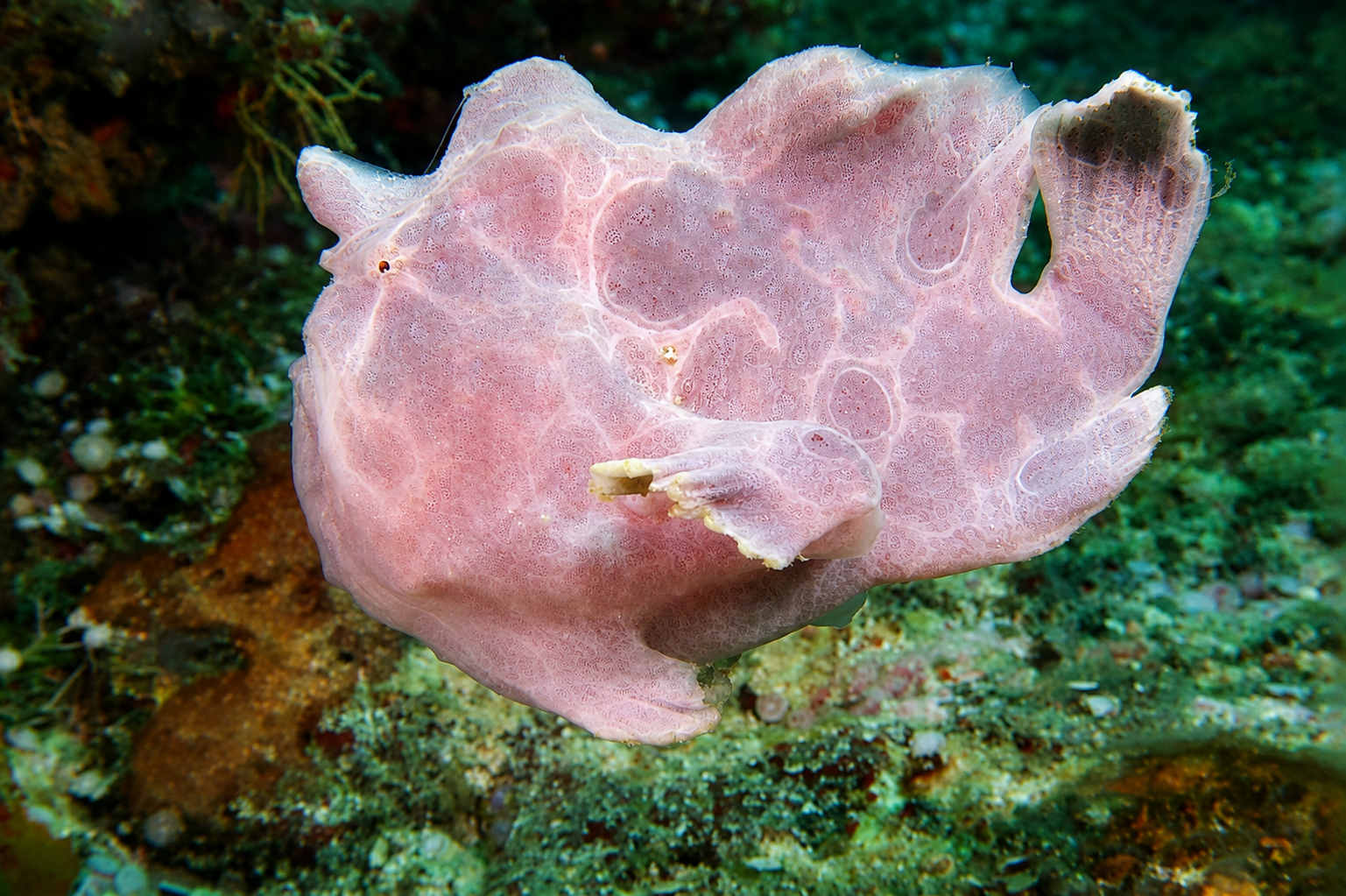
Frogfish, ghost pipefish, pygmy pipehorses, seahorses, nudibranchs, mantis shrimps, snapping shrimps and countless other subjects reward those willing to slow down, look closer and explore the reef's hidden world. If you love Indo-Pacific macro life, you'll feel right at home here.



Specialised Diving
Fluorescent night dives
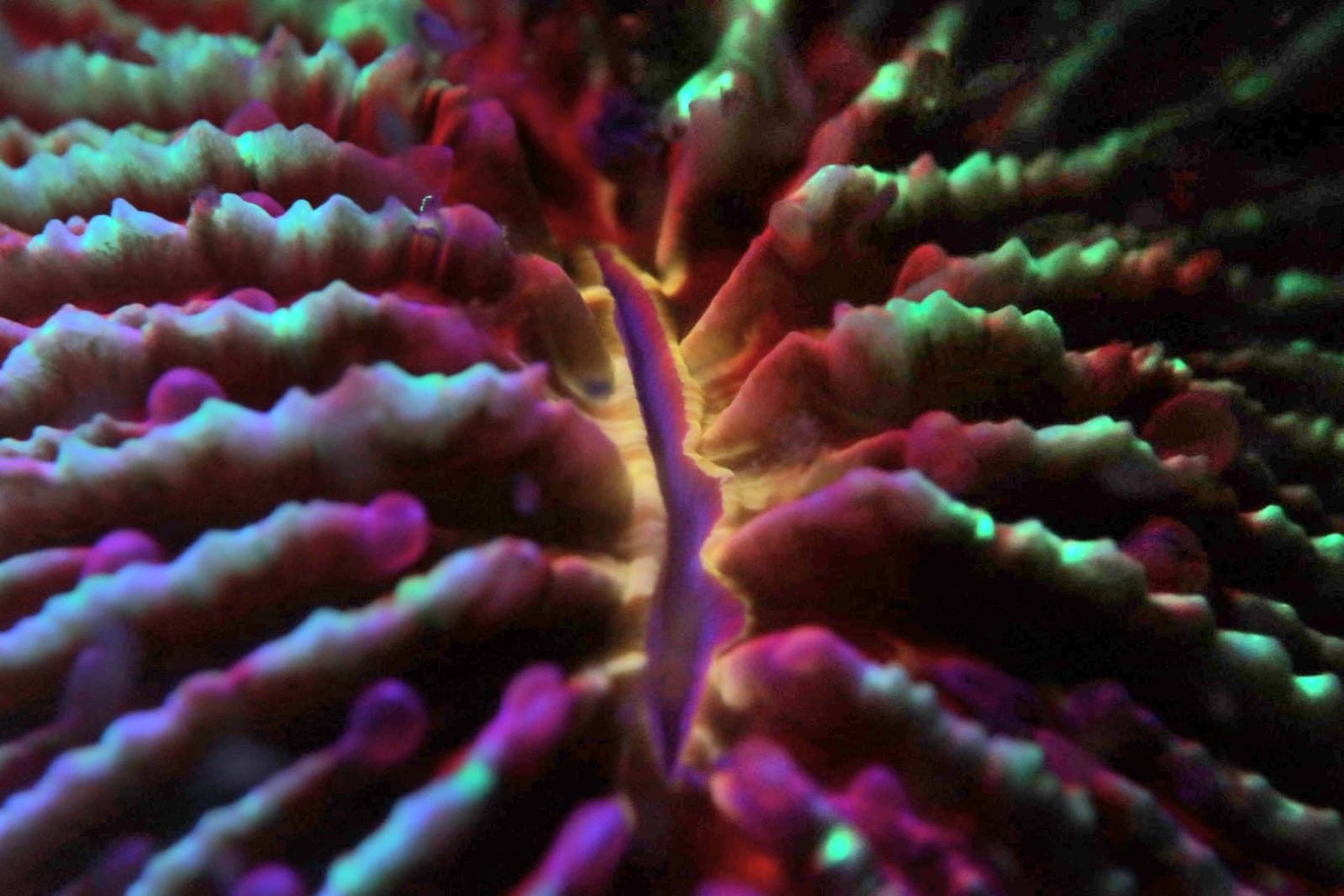
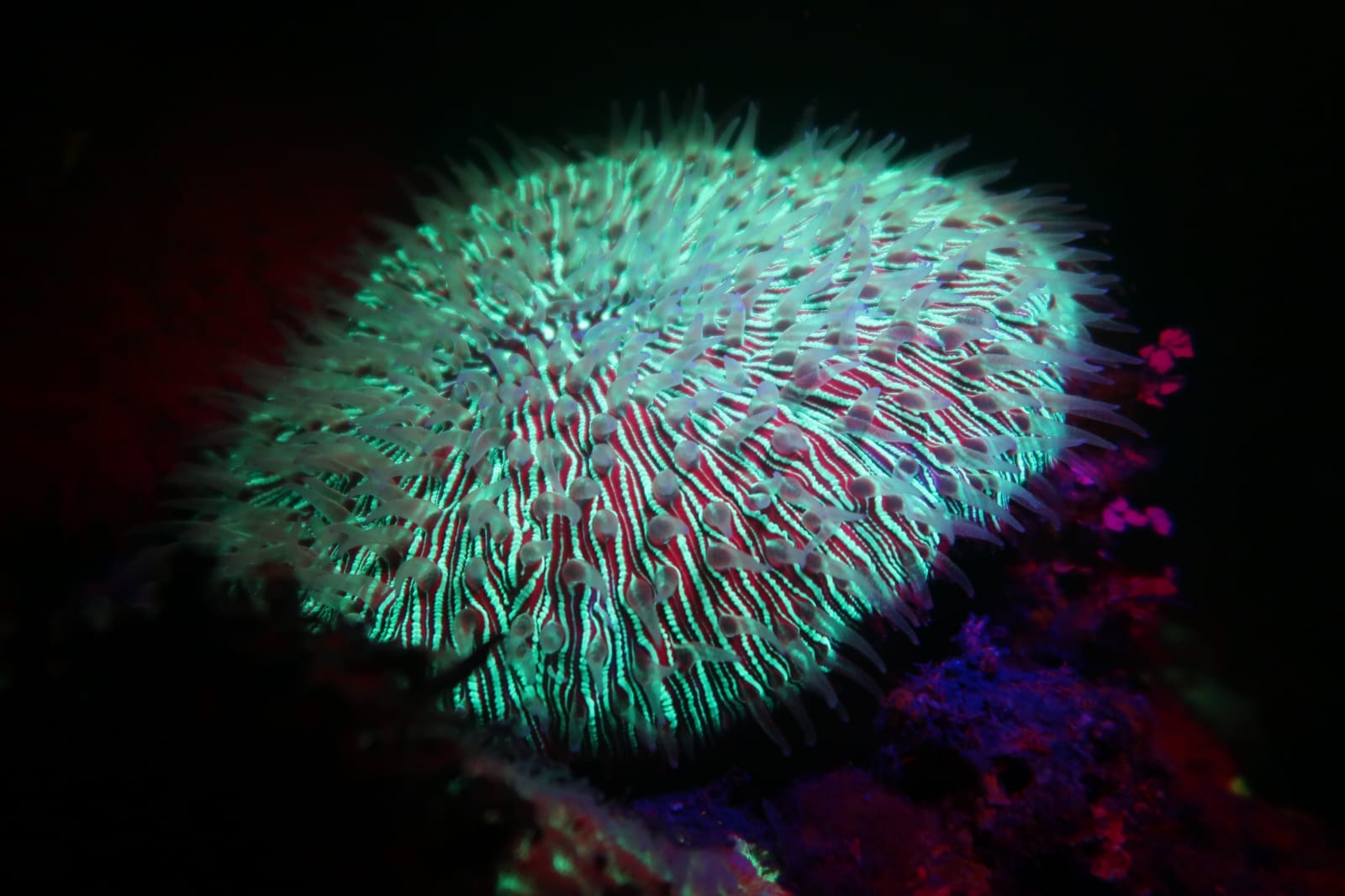
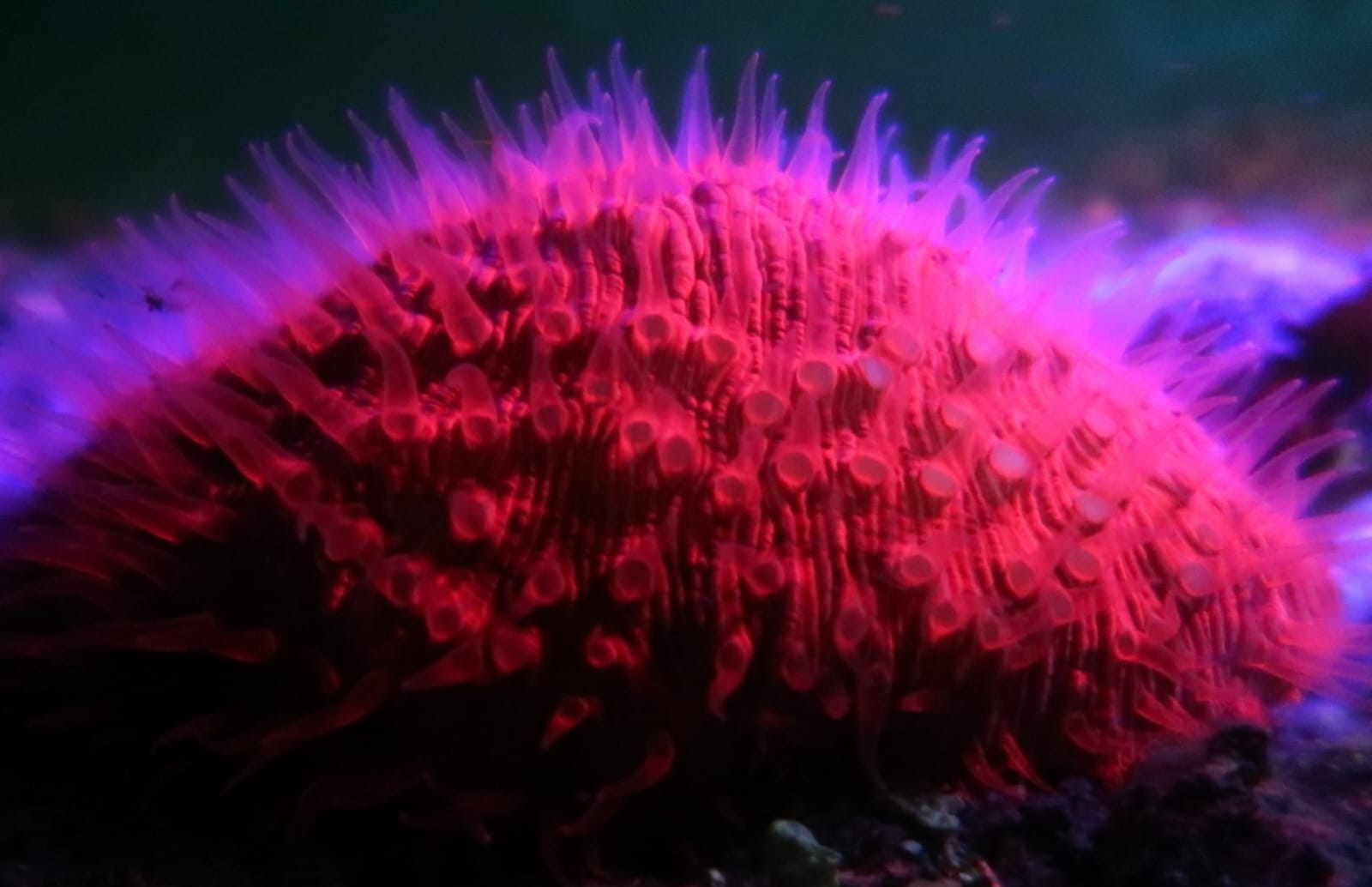
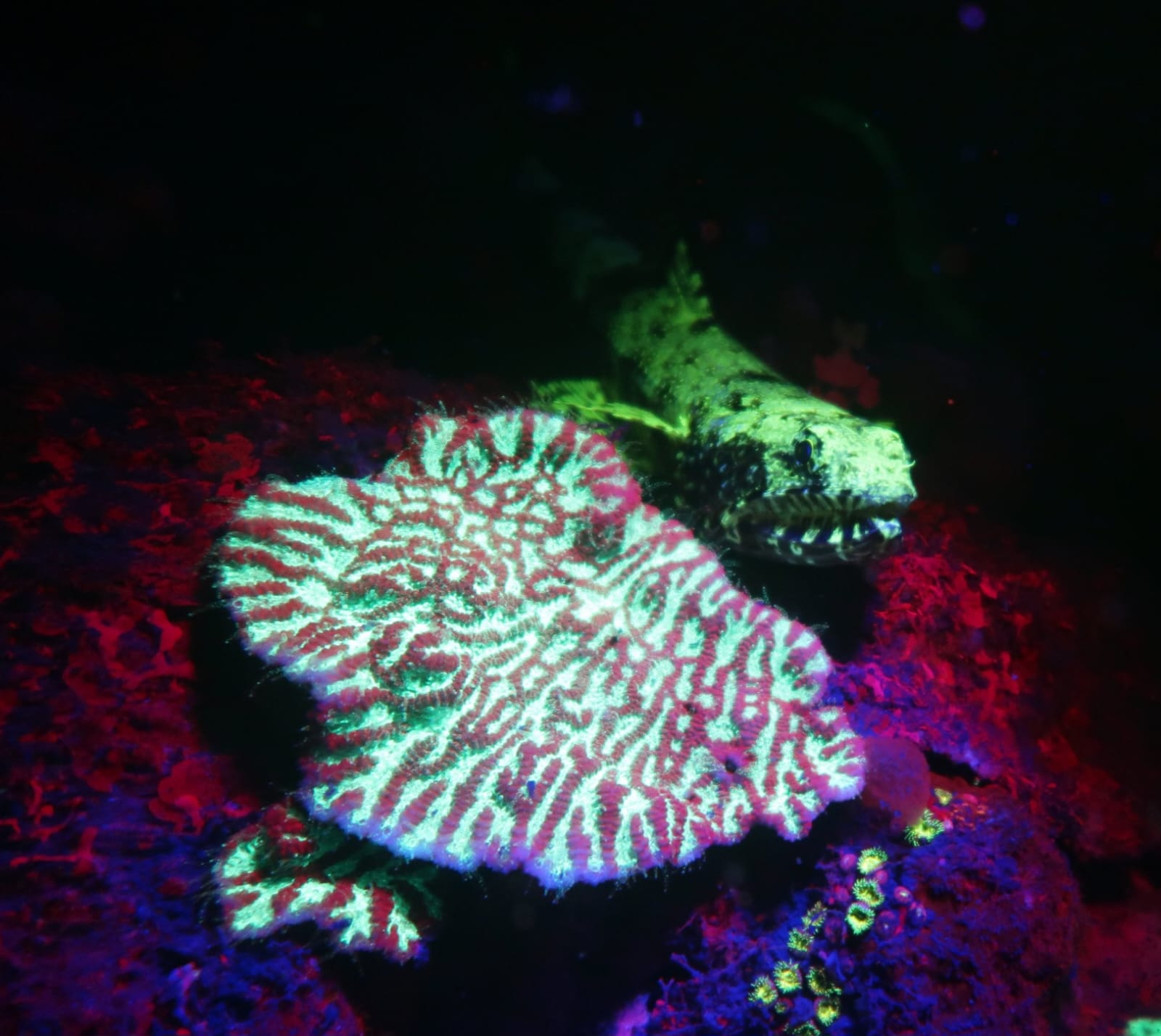
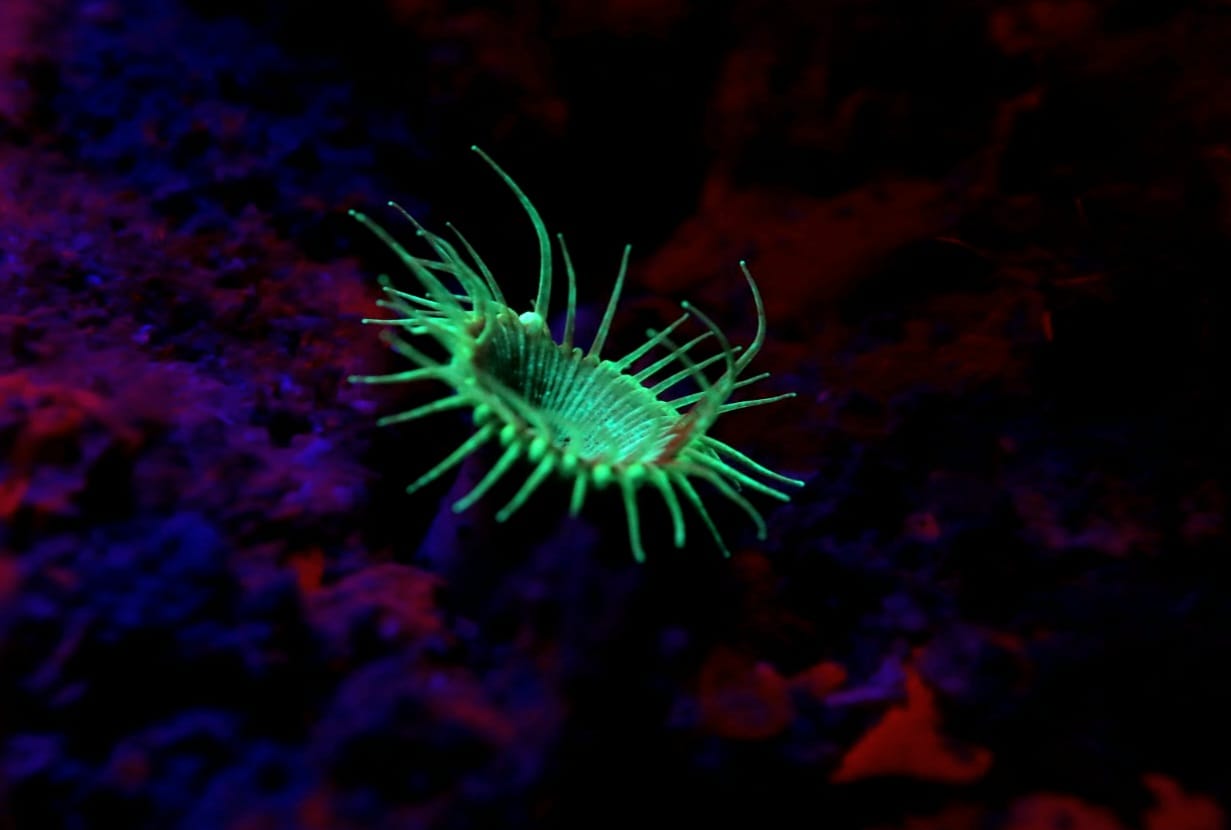
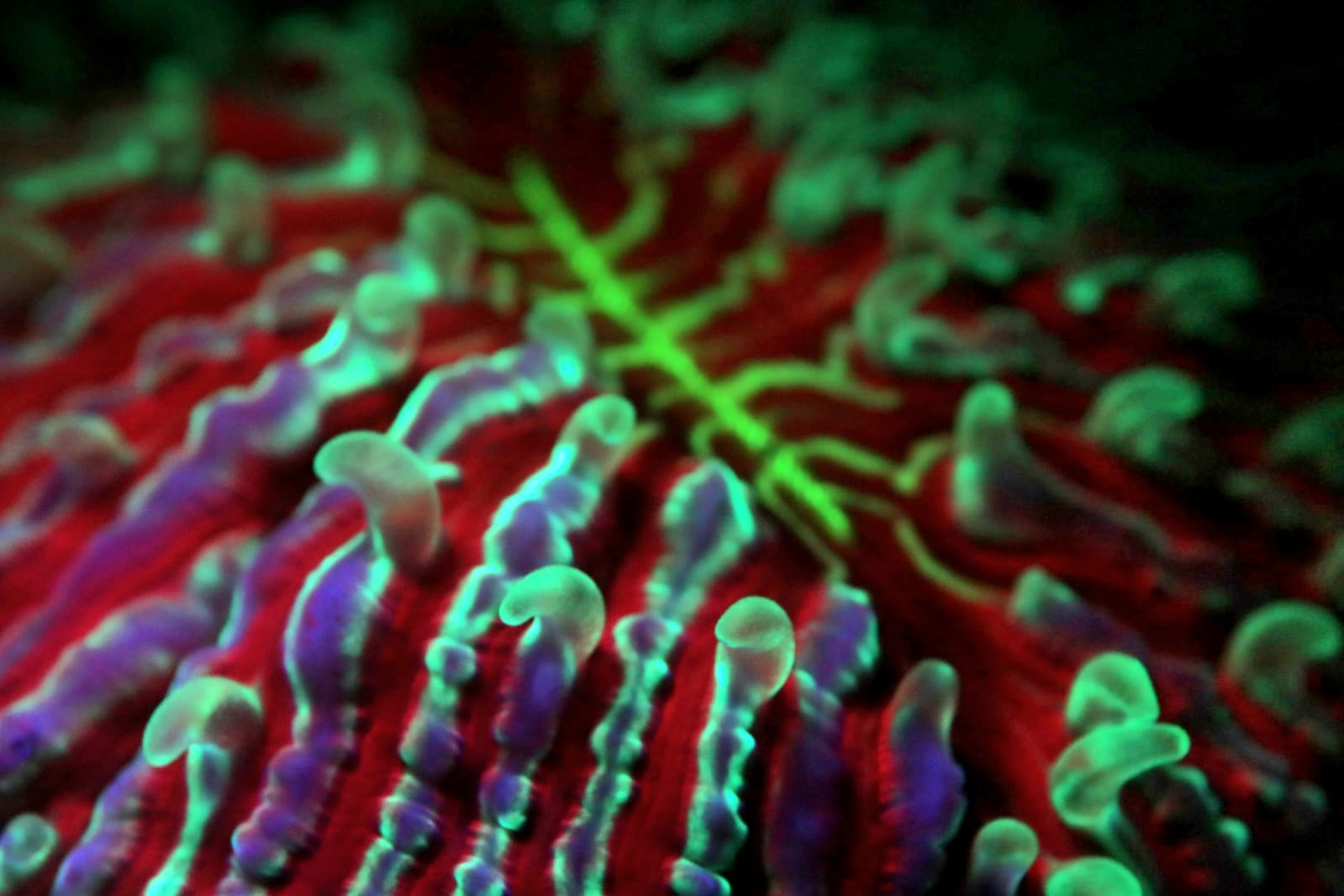
Fluo diving reveals a hidden side of the reef that remains invisible during both daytime and conventional night dives. Unlike bioluminescence, where an organism produces its own light, fluorescence occurs when an animal, coral or algae absorbs blue light and re-emits it as vivid colours such as green, orange, red or yellow.
Using specialised blue dive lights operating in the 450–470 nm range, fitted with dichroic filters, and a yellow barrier filter placed over the mask, divers are able to observe fluorescent patterns and colours that are normally hidden from the human eye. These colours are believed to play important roles in communication, reproduction, camouflage and feeding, offering a fascinating glimpse into how many marine organisms may perceive their environment.
Sakatia Lodge was the first dive centre to introduce fluorescent night diving here in Madagascar. Conducted in small groups, these dives require good buoyancy control and a slow, careful approach to the reef. Every Fluo dive begins with a detailed briefing, helping divers understand both the equipment and the remarkable world they are about to discover.
For many divers, it is the closest thing to seeing the reef through the eyes of its inhabitants.